

Table of Contents
How to Really Control Cholesterol
Controlling cholesterol is essential for maintaining good health and preventing heart disease. The most effective way to control cholesterol is by combining healthy eating, regular physical activity, and, if needed, medication prescribed by a doctor. These methods work together to lower bad cholesterol and raise good cholesterol levels.
Many people think controlling cholesterol means only changing their diet, but managing weight, quitting smoking, and staying active are just as important. Understanding how these factors affect cholesterol can help create a plan that fits each person’s needs. This article will guide readers through practical steps to take charge of their cholesterol levels for better heart health.
Key Takeaways
- Ways on how to really control cholesterol.
- Cholesterol control requires a mix of diet, exercise, and sometimes medication.
- Lifestyle changes like quitting smoking and staying active greatly impact cholesterol.
- Regular monitoring helps adjust strategies to maintain healthy cholesterol levels.
Understanding Cholesterol And Its Types

Cholesterol is a fat-like substance in the blood essential for cell function. However, different types affect health in different ways. Knowing the roles of these types helps manage cholesterol levels effectively.
LDL Cholesterol: The Bad Cholesterol
LDL stands for low-density lipoprotein. It is called “bad cholesterol” because high levels can build up in the arteries. This buildup forms plaques that narrow arteries and increase the risk of heart disease and stroke.
Doctors recommend keeping LDL cholesterol below 100 mg/dL for most people. Higher numbers mean more plaque risk. Diet changes and medications can lower LDL levels by reducing saturated fats and replacing them with healthier fats.
HDL Cholesterol: The Good Cholesterol
HDL means high-density lipoprotein. It is known as “good cholesterol” because it helps remove LDL from the bloodstream. High HDL levels protect against heart disease by reducing artery plaque.
Ideal HDL cholesterol is above 60 mg/dL. Low HDL can increase heart risk. Physical activity, quitting smoking, and healthy fats like those in nuts and olive oil can raise HDL levels.
Triglycerides And Total Cholesterol
Triglycerides are another type of fat in the blood. High triglycerides often mean excess calories turn to fat. Normal triglyceride levels are below 150 mg/dL. Levels above this may increase heart disease risk.
Total cholesterol is the sum of LDL, HDL, and part of triglycerides. Healthy total cholesterol usually means levels under 200 mg/dL. Monitoring all these numbers together gives a fuller picture of heart health.
For more details on cholesterol types and levels, see the Cleveland Clinic guide on cholesterol numbers.
Health Risks Linked To High Cholesterol

High cholesterol can cause serious problems in blood vessels and the heart. It often leads to plaque buildup, which blocks the flow of blood and increases the chance of major health issues like heart attacks and strokes. It also affects blood pressure and can cause chest pain.
Heart Disease And Heart Attack
When cholesterol builds up in the arteries, it forms plaque. This plaque narrows and hardens the arteries, a condition known as atherosclerosis. It reduces blood flow to the heart muscle, which can cause chest pain or discomfort.
If the plaque breaks, it can create a blood clot. This clot can block blood flow completely, leading to a heart attack. Heart disease caused by high cholesterol is a major cause of death worldwide.
People with high cholesterol often have no symptoms until heart disease develops. Regular checkups to measure cholesterol levels can help catch problems early.
Stroke And Coronary Artery Disease
High cholesterol contributes to stroke by causing blockages in the blood vessels of the brain or neck. These blockages reduce or cut off blood flow, leading to brain damage.
Coronary artery disease happens when plaque blocks the arteries supplying blood to the heart. This disease can cause chest pain and increases the risk of heart attacks.
Both stroke and coronary artery disease share the same cause: poor blood flow from plaque buildup. Managing cholesterol can reduce the risk of these conditions significantly.
High Blood Pressure And Angina
Cholesterol-induced plaque makes arteries less flexible. This forces the heart to pump harder, raising blood pressure. High blood pressure stresses the heart and damages arteries.
Angina is chest pain caused by reduced blood flow to the heart. It often happens when plaque narrows arteries but does not cause a complete blockage. Angina signals that the heart is not getting enough oxygen.
Both high blood pressure and angina are warning signs of heart disease. Controlling cholesterol helps keep arteries healthier and protects against these risks.
Key Factors Influencing Cholesterol Levels

Cholesterol levels depend on several important factors, including what a person eats, how active they are, and their genetic background. Controlling these can help manage cholesterol and reduce health risks.
Diet And Nutrition
The types of fats in the diet have a big impact on cholesterol. Foods high in saturated fats like butter, cheese, and fatty meats increase “bad” LDL cholesterol. It is important to replace these with healthy fats, such as monounsaturated and polyunsaturated fats found in olive oil, nuts, and fish.
Avoiding trans fats is critical because they raise LDL and lower “good” HDL cholesterol. Trans fats are often in processed snacks and fried foods.
Eating more soluble fiber from fruits, vegetables, and whole grains helps reduce cholesterol by binding it in the digestive system.
Physical Activity
Regular exercise helps raise “good” HDL cholesterol and lowers “bad” LDL cholesterol. Being physically active also supports healthy body weight, which is key in cholesterol control.
Even moderate-intensity activities like brisk walking, cycling, or swimming for at least 150 minutes per week can improve cholesterol levels. Physical activity also reduces risk factors linked to heart disease, such as high blood pressure and obesity.
Genetics And Familial Hypercholesterolemia
Inherited conditions like familial hypercholesterolemia cause very high cholesterol from birth. People with this condition have a genetic mutation that prevents the body from removing LDL cholesterol properly.
Lifestyle changes alone may not be enough for those with this condition. They might need medications like statins to control cholesterol effectively.
Family history matters because those with close relatives who had early heart disease are at greater risk. Genetic testing and early monitoring can help manage this risk.
Dietary Changes To Lower Cholesterol
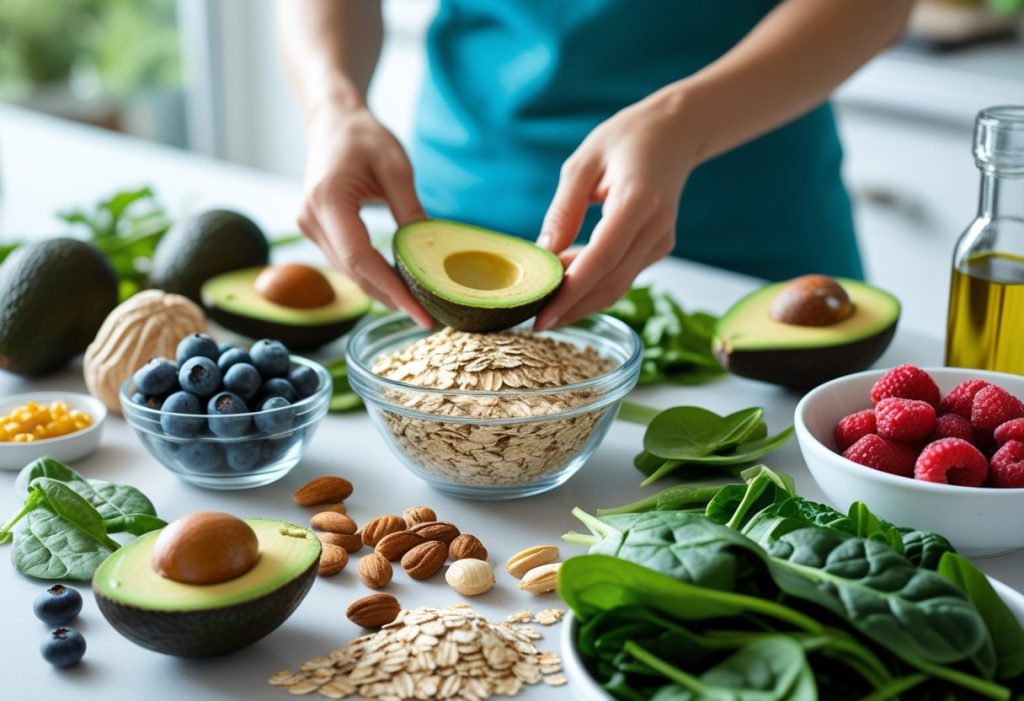
Controlling cholesterol through diet requires focusing on the types of fats consumed and increasing certain plant-based foods. Making these specific changes helps lower bad cholesterol (LDL) and supports heart health.
Choosing Heart-Healthy Fats
Replacing saturated fats with unsaturated fats is key to lowering cholesterol. Saturated fats, found mainly in red meat and full-fat dairy, raise LDL cholesterol. Instead, people should use olive oil, a source of monounsaturated fat, which can improve cholesterol levels.
Nuts like almonds and walnuts provide healthy fats and can reduce LDL cholesterol when eaten regularly. Plant stanols and sterols, found in fortified foods and some natural sources, also help block cholesterol absorption in the intestines.
A heart-healthy diet, such as the Mediterranean diet, emphasizes these fats. It includes plenty of olive oil, nuts, and fish, which together reduce cholesterol and support overall health.
Eating More Fiber And Plant-Based Foods
Fiber, especially soluble fiber, can lower cholesterol by helping remove LDL from the bloodstream. High-fiber foods include oats, apples, lentils, oranges, and many vegetables. Eating these regularly can improve cholesterol numbers.
Fiber absorbs cholesterol in the digestive tract and carries it out of the body. Meals rich in fruits and vegetables offer vitamins and antioxidants while providing this beneficial fiber.
The Therapeutic Lifestyle Changes (TLC) diet encourages high intake of fiber and plant-based foods to manage cholesterol. Combining this with whole grains and legumes improves heart health without cutting out key nutrients.
Reducing Trans Fats And Saturated Fats
Trans fats, often found in processed and fried foods, raise LDL and lower good cholesterol (HDL). Avoiding foods with partially hydrogenated oils significantly improves cholesterol levels.
Reducing saturated fats means eating less red meat and full-fat dairy and replacing them with lean proteins or plant options. This helps lower total cholesterol and LDL.
Cutting back on these fats is essential for healthy eating and fits well within cholesterol-lowering plans like the TLC diet. Reading labels and choosing whole, minimally processed foods makes this easier and more effective.
Lifestyle Modifications For Better Cholesterol Control

Changing daily habits can help lower bad cholesterol and raise good cholesterol. Regular physical activity, healthy body weight, and avoiding harmful substances are key to heart health.
Exercise And Physical Activity
Aerobic exercise, such as walking, jogging, or cycling, helps raise HDL (good) cholesterol. It also lowers LDL (bad) cholesterol and triglycerides. Experts recommend at least 150 minutes of moderate exercise per week for noticeable benefits.
Adding simple activities like taking stairs or gardening increases daily movement. Exercise improves how the body uses fat and cleans the blood vessels. Consistency is important—sporadic workouts have less effect on cholesterol levels.
Physical activity combined with heart-healthy lifestyle changes supports long-term cholesterol control and reduces the risk of heart disease.
Managing Weight And Stress
Maintaining a healthy weight helps lower LDL cholesterol. Even a small weight loss can improve cholesterol numbers and overall heart health. Losing weight reduces fat stored around organs, which can raise cholesterol.
Stress management is also important. High stress can raise cholesterol and blood pressure. Techniques like deep breathing, meditation, or yoga can lower stress hormones and improve heart health.
Healthy weight and stress reduction work together. Eating balanced meals, staying active, and getting enough sleep support both.
Quitting Smoking And Limiting Alcohol
Smoking damages blood vessels and lowers HDL cholesterol, increasing heart disease risk. Quitting smoking improves cholesterol levels and reduces artery damage.
Limiting alcohol intake is vital. Drinking too much alcohol raises triglycerides and adds calories that can lead to weight gain. The recommended limit is up to one drink per day for women and two for men.
Avoiding smoking and controlling alcohol are key steps in a heart-healthy lifestyle. These actions improve cholesterol numbers and reduce the risk of heart problems.
For detailed strategies, see heart-healthy lifestyle changes.
Managing Cholesterol With Medications
Medications are often necessary when lifestyle changes alone do not lower cholesterol enough. Different medicines target cholesterol in specific ways. Effective treatment depends on choosing the right medicine and following the healthcare plan carefully.
Statins And Other Cholesterol Medicines
Statins are the most common and effective medicines for lowering LDL cholesterol, also called “bad” cholesterol. They work by blocking a substance the body needs to make cholesterol, which reduces its level in the blood. Statins can also help raise HDL, the “good” cholesterol, and lower triglycerides.
Other cholesterol medicines include bile acid sequestrants, cholesterol absorption inhibitors, and PCSK9 inhibitors. Each works differently. Bile acid sequestrants bind cholesterol in the stomach to reduce absorption. Cholesterol absorption inhibitors lower the amount absorbed from food. PCSK9 inhibitors are newer and used for people who need extra lowering beyond statins.
Most cholesterol medicines are taken as pills daily. Side effects are usually mild but can vary. The American Heart Association notes that effectiveness varies by person and monitoring is important for safety.
Working With Healthcare Professionals
Managing cholesterol requires regular visits with healthcare professionals. They will track cholesterol levels with blood tests and adjust medicines as needed. Patients should tell their doctor about any side effects or new symptoms right away.
Doctors may combine medicines for better results. They will also discuss lifestyle habits like diet and exercise to support medicine effects. Following medication instructions closely is crucial. Skipping doses or stopping medicines without advice can lead to higher cholesterol and health risks.
Healthcare providers use guidelines from organizations like the National Heart, Lung, and Blood Institute to tailor treatment. Education about medicines helps patients stay informed and motivated through their treatment journey.
Special Considerations And At-Risk Groups
Certain health conditions and age groups need extra care when managing cholesterol. These factors can affect how cholesterol impacts the body and influence the best ways to control it.
Cholesterol And Diabetes
People with diabetes often have higher levels of bad cholesterol (LDL) and lower levels of good cholesterol (HDL). This imbalance raises their risk of heart disease.
Diabetes causes changes in the body that make it harder to control cholesterol. Insulin resistance can lead to higher blood fat levels and increased artery damage.
Managing cholesterol in diabetes requires careful attention to diet, physical activity, and sometimes medication. Reducing saturated fat and added sugars is key.
Regular blood tests to monitor cholesterol and blood sugar levels help guide treatment. Combining these efforts lowers the chance of heart attacks and strokes.
Older Adults And High Cholesterol
Cholesterol levels tend to rise with age. Older adults face higher risks from high cholesterol due to natural changes in metabolism and artery health.
They are more likely to have other conditions, such as high blood pressure, that worsen cholesterol effects.
Treatment plans often focus on balancing medication with lifestyle changes. Physical activity and a heart-healthy diet remain important.
Doctors also consider risks of medication side effects in older adults. Managing cholesterol safely is critical to prevent heart disease and complications.
Regular check-ups help track progress and adjust treatment based on individual needs.
Measuring And Monitoring Cholesterol Levels
Regular testing and tracking cholesterol numbers are essential steps to managing heart health. Knowing what the results mean helps guide diet, exercise, and medication decisions. Measuring the right components and keeping records over time lets a person and their doctor see how well treatments are working.
Understanding Cholesterol Blood Tests
A standard cholesterol test measures several key numbers: total cholesterol, LDL (bad) cholesterol, HDL (good) cholesterol, and triglycerides. LDL should ideally be below 100 mg/dL, and total cholesterol should be under 200 mg/dL.
Tests are usually done after fasting for 9-12 hours to get accurate readings. A doctor may order a basic lipid profile or a more detailed test depending on risk factors like age, family history, or existing conditions.
Results show risk levels and help decide if lifestyle changes or medication are needed. It’s important to review these numbers regularly with a healthcare provider to understand their impact on heart health.
Tracking Progress Over Time
Cholesterol levels should be tested at least once every 4 to 6 years for healthy adults, but more often if risk factors are present. After starting treatment or lifestyle changes, tests may be repeated every 3 to 12 months to track improvement.
Keeping a record of numbers over time shows trends and how well efforts to lower cholesterol are working. This helps the healthcare team adjust plans if levels don’t improve or rise.
Patients can use logs or apps to record results. Sharing this information during medical visits helps ensure treatment goals are met and cholesterol is under control.
For more information on cholesterol numbers, see this guide on cholesterol levels and their meanings.
Long-Term Strategies For Heart Health
Maintaining heart health requires consistent effort in diet, exercise, and lifestyle choices. Taking specific steps to control cholesterol helps lower the risk of future heart problems and supports overall wellbeing.
Sustaining Healthy Habits
To keep cholesterol levels low, it is important to stick with heart-healthy eating patterns. This means choosing foods like vegetables, fruits, whole grains, nuts, and lean proteins such as fish. Avoiding saturated and trans fats found in fried foods, processed snacks, and fatty meats is key. Replacing them with healthier fats like olive oil or avocado supports better cholesterol balance.
Regular physical activity plays a major role. Aim for at least 150 minutes a week of moderate exercise like brisk walking or swimming. Exercise helps raise HDL (good cholesterol) and lower LDL (bad cholesterol).
Weight management also supports cholesterol control. Losing even a small amount of excess weight can improve levels and reduce heart risk. Tracking progress and setting realistic goals makes healthy habits easier to maintain over time.
Reducing Risk Of Future Heart Problems
Consistently managing cholesterol reduces damage to arteries and lowers the chance of heart attacks and strokes. Combined with lifestyle changes, medications may be necessary for some people to keep cholesterol in a safe range.
Regular check-ups help monitor cholesterol and other heart risk factors. Doctors can adjust treatments as needed based on test results and overall health.
Stress management and avoiding smoking are additional important steps. Chronic stress and tobacco use worsen heart health and cholesterol levels. Simple practices like deep breathing or quitting smoking improve long-term outcomes.
In summary, controlling cholesterol through steady diet, exercise, medical care, and healthy behaviors works together to reduce future heart problems.
Read our article on Testosterone Boosters.
Frequently Asked Questions
Controlling cholesterol involves specific changes in diet, lifestyle, and sometimes supplements. Understanding which foods help or harm cholesterol levels is important. Natural remedies and habits can also play a role in managing cholesterol without drugs.
What dietary changes can help lower cholesterol within a month?
Reducing saturated fats from red meat and full-fat dairy is key. Replacing these with healthier fats like those in nuts and vegetable oils can lower cholesterol quickly. Increasing fiber intake through fruits, vegetables, and whole grains also helps reduce cholesterol in a short time.
Which foods are most effective at reducing cholesterol levels?
Foods rich in unsaturated fats such as avocados, oily fish, nuts, and seeds are effective. Soluble fiber found in oats and barley helps remove cholesterol from the body. Choosing plant-based proteins instead of red meat supports healthier cholesterol levels.
What natural remedies can rapidly decrease high cholesterol?
In addition to diet, regular exercise supports cholesterol lowering. Consuming foods with plant sterols or stanols, like certain fortified spreads, can also reduce cholesterol. These changes combined may show results within a few weeks without medication.
What lifestyle modifications can aid in cholesterol management without medication?
Maintaining a healthy weight and exercising for at least 150 minutes a week can improve cholesterol. Quitting smoking and limiting alcohol intake also positively affect cholesterol levels. Managing stress may contribute but has less direct impact than diet and exercise.
Which supplements are scientifically proven to help maintain healthy cholesterol levels?
Omega-3 fatty acids from fish oil supplements can lower triglycerides and support heart health. Soluble fiber supplements, such as psyllium husk, help reduce cholesterol. Plant sterol and stanol supplements are also shown to lower LDL cholesterol when used properly.
What are the top foods to avoid for those looking to minimize cholesterol intake?
Saturated fats in red meat, butter, and full-fat dairy raise cholesterol and should be limited. Trans fats found in many processed and fried foods are especially harmful. Avoiding these helps maintain better cholesterol levels according to health guidelines.